Ribble Concrete Construction
Industrial / Warehouse
Concrete Contractor for Industrial and Warehouse Needs
Industrial and warehouse facilities require concrete systems that can withstand heavy equipment, constant traffic, and years of daily use. Ribble Concrete partners with developers, general contractors, and facility owners to provide high-quality concrete construction that meets project specifications, schedules, and performance requirements.

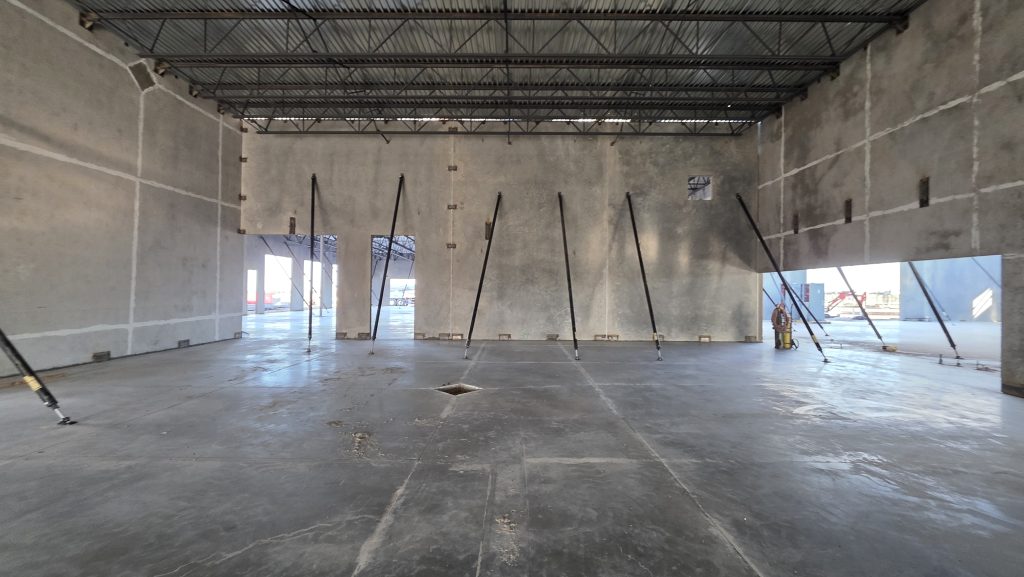
Designed for Strength, Durability & Efficiency
Concrete serves as the foundation of nearly every industrial and warehouse facility. From supporting the structural framework of a building to providing the working surface for equipment, vehicles, and employees, concrete plays a critical role in the daily operation and long-term success of a facility. When properly designed and installed, concrete delivers the strength, durability, and performance that industrial environments demand.
Industrial facilities place significantly greater demands on concrete than many other types of commercial buildings. Heavy machinery, forklift traffic, storage systems, loading operations, and constant daily use can place tremendous stress on floors, foundations, and exterior concrete surfaces. These conditions require carefully planned concrete solutions that are engineered to perform under pressure and maintain their integrity for years to come.
Building for Long-Term Performance
The quality of concrete construction can have a lasting impact on the efficiency and maintenance requirements of an industrial property. Proper site preparation, reinforcement placement, concrete mix design, finishing techniques, and curing practices all contribute to the long-term performance of the finished product. When these elements are executed correctly, facility owners benefit from improved durability, fewer repairs, and lower lifecycle costs.
Investing in quality concrete work from the beginning often reduces the need for costly maintenance and repairs in the future.
Supporting Heavy Loads and Daily Operations
Industrial facilities are designed to move products, equipment, and materials efficiently. Concrete floors and foundations must be capable of supporting substantial loads while maintaining stable, level surfaces that allow operations to run smoothly. Whether supporting warehouse racking systems, manufacturing equipment, delivery vehicles, or forklift traffic, properly engineered concrete provides the strength and reliability necessary to keep facilities operating efficiently.
Concrete also contributes to workplace safety by creating durable, predictable surfaces that can withstand demanding conditions while supporting the movement of people and equipment throughout the facility.
Choosing the Right Concrete Flooring for Your Industrial or Warehouse Facility
Not all concrete floors are built for the same purpose. The demands placed on an industrial manufacturing facility are often very different from those of a distribution center, storage warehouse, agricultural operation, or logistics hub. Selecting the right concrete flooring system is an important part of ensuring your facility can operate efficiently, safely, and cost-effectively for years to come.
The Foundation of an Efficient Industrial Facility
Industrial and warehouse floors must withstand constant traffic, heavy equipment, forklifts, pallet jacks, storage racks, and substantial point loads. Factors such as floor thickness, reinforcement, joint placement, load requirements, and surface finish all influence how well a concrete floor performs over time. Choosing the wrong specifications can lead to cracking, uneven surfaces, premature deterioration, and increased maintenance expenses.
A well-designed concrete floor does more than support daily operations—it helps protect your investment. Facilities with high-volume forklift traffic may require different reinforcement strategies than buildings designed primarily for storage. Manufacturing environments may need specialized finishes or additional durability considerations, while distribution centers often prioritize smooth, level surfaces that improve efficiency and reduce equipment wear.
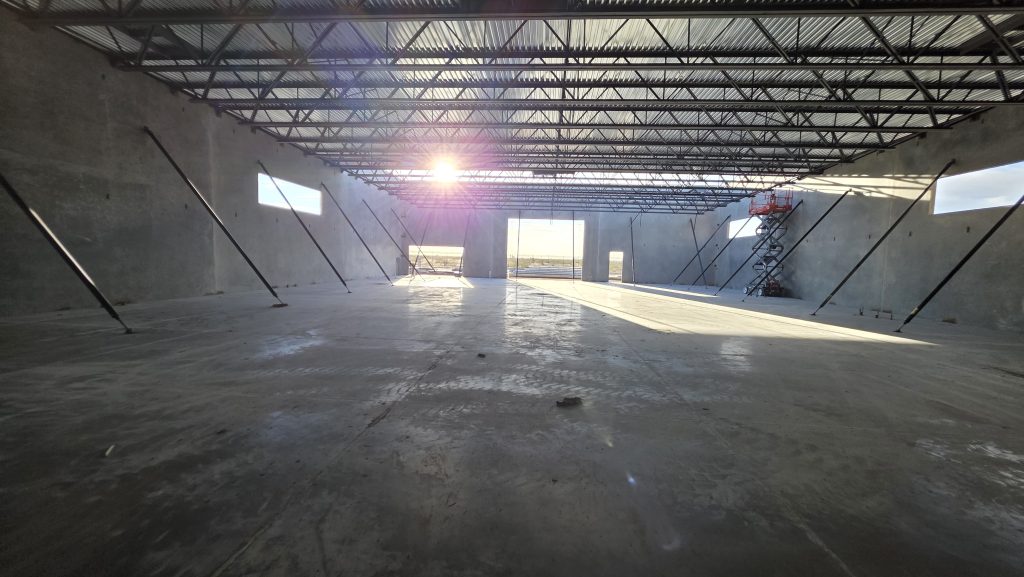

Choosing A Concrete Contractor for Productivity, Durability, and Long-Term Performance
Working with an experienced industrial concrete contractor ensures these factors are considered during the planning and construction process. An experienced team can evaluate the intended use of the facility, coordinate with engineers and project stakeholders, and recommend flooring solutions that align with both operational demands and long-term performance goals.
The Right Contractor to Meet Your Industrial and Warehouse Concrete Needs
At Ribble Concrete, we understand that every industrial and warehouse facility has unique requirements. Our team works closely with owners, developers, and general contractors throughout Texas to construct durable concrete flooring systems designed to support productivity, withstand demanding conditions, and provide lasting value. By focusing on quality materials, proper installation techniques, and proven construction practices, we help clients build facilities that are prepared for the challenges of today and the growth opportunities of tomorrow.
Frequently Asked Questions About Industrial /Warehouse Concrete
What are the benefits of choosing polished concrete in industrial settings?
Polished concrete offers an attractive, high-sheen finish that enhances light reflectivity, potentially lowering energy costs. More importantly, the polishing process increases surface density, which improves durability, abrasion resistance, and slip resistance. These flooring systems are also easy to clean and maintain, boosting long-term operational efficiency.
How can I ensure my warehouse floor will handle heavy equipment and traffic?
To guarantee durability, ensure your concrete slab is designed with the right thickness and PSI strength for your specific loads. Incorporate proper reinforcement, like macro-fibers or steel mesh, and use a high-quality concrete mix. Finally, protect joints and consider a surface hardener or coating to resist wear from heavy equipment.
Are there special considerations for foundation design in Texas climates?
Yes, in Texas, the structural design for industrial buildings must account for expansive soils common in the region. These soils can shrink and swell with moisture changes, so a thorough soil analysis is critical. Depending on the findings, a suspended or post-tensioned slab may be recommended over a standard ground-bearing design.
Service Area
We proudly support commercial development throughout Texas including Dallas, Fort Worth, Houston, Austin, San Antonio, Abilene, Midland, Odessa, Lubbock, Waco, Tyler, and Amarillo.